
Hypnosis… a tool for
Self Empowerment
Reaching your full potential with the assistance of hypnosis.

Hypnosis can have life changing effects, for anyone.
Our comprehensive suite of professional services caters to a diverse clientele.
Addictions/Compulsion
Smoking cessation
Alcohol dependency
Gambling addiction
Overeating/Weight management
Performance Enhancement
Sports performance
Public speaking
Creative blockages (for artists, writers)
Test anxiety
Relationship Issues
Codependency
Jealousy
Communication problems
Trust issues
Sleep Disorders
Insomnia
Nightmares
Sleepwalking
Restless Leg Syndrome
Habit Reversal
Nail-biting
Teeth grinding (bruxism)
Hair pulling (trichotillomania)
Procrastination
Emotional & Psychological Issues
Depression
Trauma/PTSD
Grief and loss
Self-esteem issues
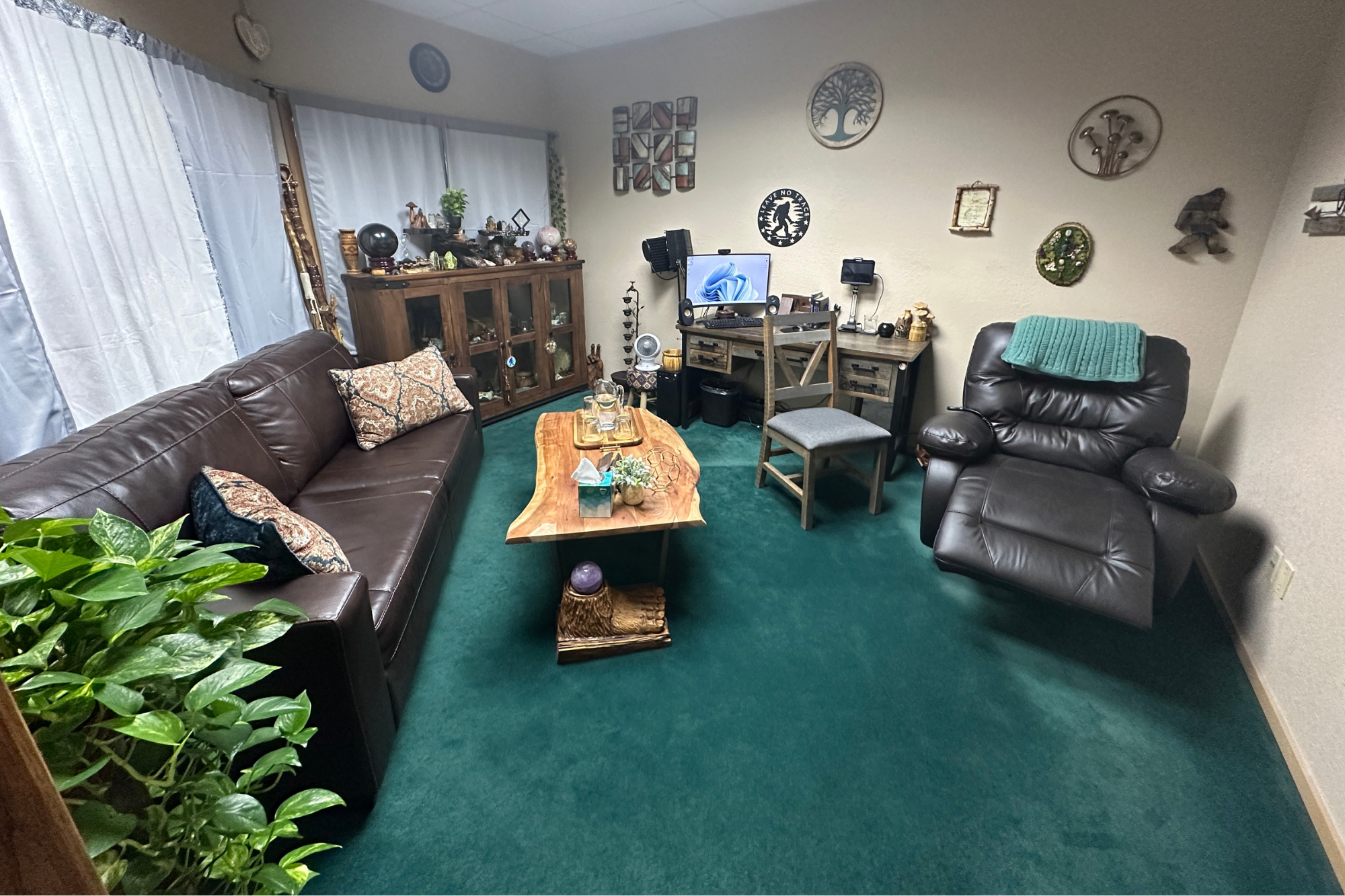
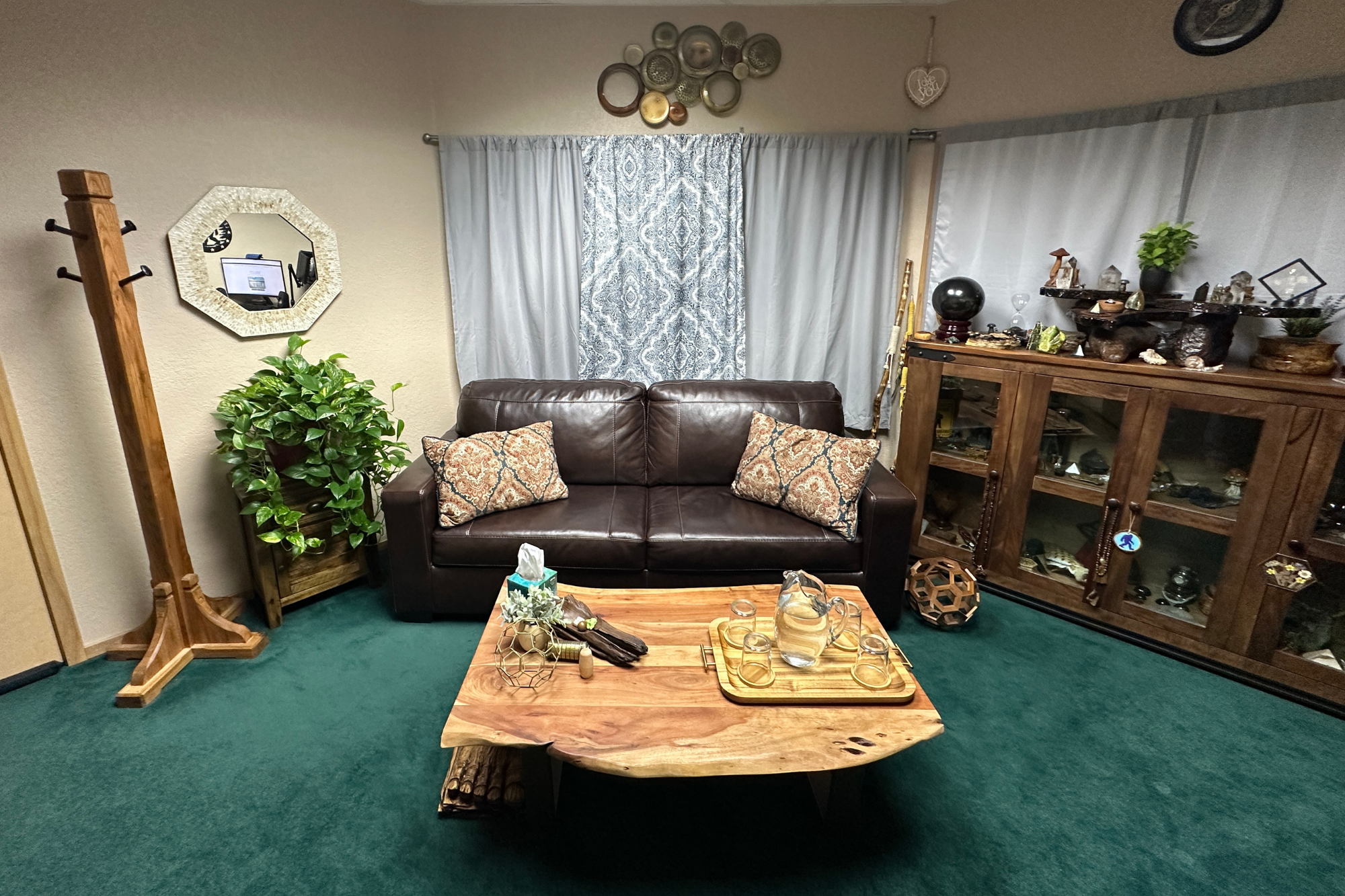
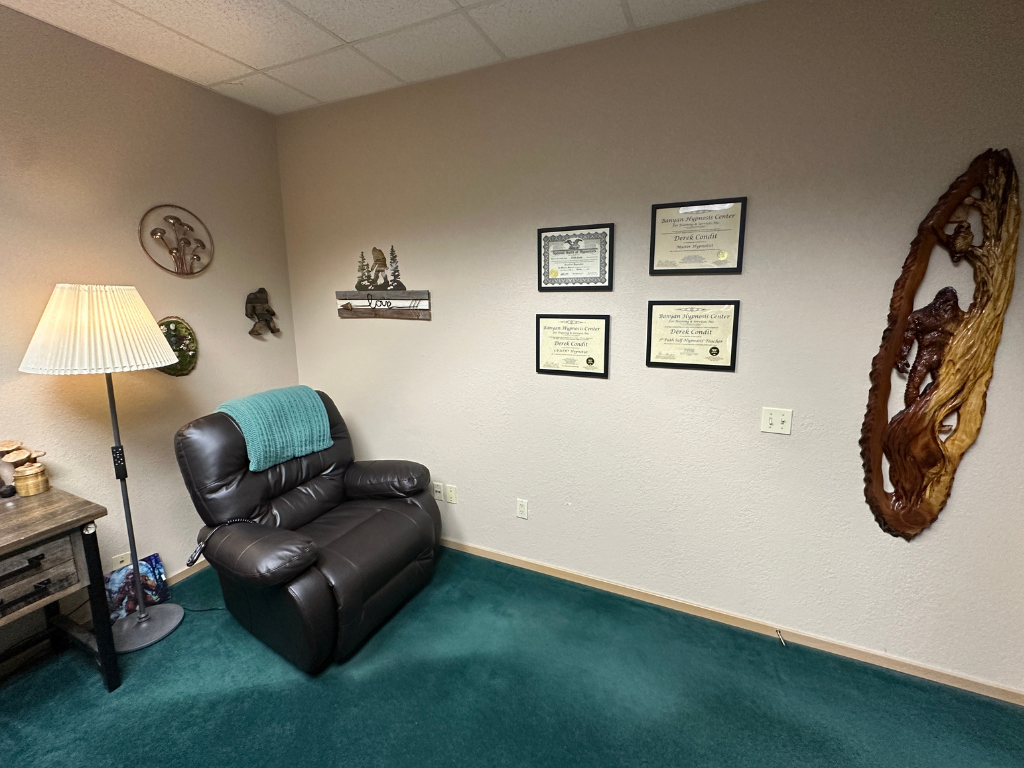
Safe, Comfortable & Private Office
Every aspect of our space is focused on making the client comfortable, and to feel supported. Although hypnosis sessions conducted remotely via Zoom are just as effective as those held in person.
Clients can achieve the same results from the comfort of their own environment, with the hypnotist using the same verbal guidance and techniques. Hypnosis works through mental focus and relaxation, which can be easily facilitated virtually, ensuring a powerful and transformative experience.
Hypnosis in a private & comfortable space.
- Self-Empowerment
- Emotional Healing
- Focused Attention
- Personal/Custom Self-Hypnosis Recordings
- In-Person or Remote Sessions (via Zoom)
Hypnotherapy Consultations Available
- Addictions/Compulsion
- Performance Enhancement
- Stress-Related Issues
- Sleeping Issues
Click-Here: Description of Initial Consultation.
In an initial hypnotherapy consultation, no hypnosis takes place. The purpose of this meeting is to discuss your goals and reasons for seeking hypnotherapy. Together, you and the hypnotherapist will explore the issues you’d like to address, clarify your desired outcomes, and review any personal history that might be relevant. The hypnotherapist will also explain how hypnosis works and answer any questions you have. Based on your goals, they’ll estimate how many sessions might be needed and provide a projected cost for the full treatment plan. (remote sessions available via Zoom)
- Approximately 60min
- Typical treatment plans can range from 1-5 sessions (number of sessions depends on clients specific needs.)
- Clients receive a free self-hypnosis audio recording during initial consultation. (focus of recording will vary depending on clients specific needs.)
Click-Here: Additional potential uses for hypnosis.
Here’s a list of some lesser-known issues that hypnosis can help individuals address:
- Sleep Paralysis: Hypnosis can help individuals overcome the fear and anxiety associated with sleep paralysis episodes and reduce their frequency.
- Bruxism (Teeth Grinding): Hypnosis can address underlying stress or tension that contributes to bruxism, promoting relaxation and subconscious adjustments.
- Trichotillomania (Hair-Pulling Disorder): Hypnosis can assist in identifying triggers and establishing healthier coping mechanisms to reduce this compulsive behavior.
- Skin Picking (Dermatillomania): By addressing underlying anxieties or habits, hypnosis can help reduce the compulsion to pick at skin, promoting healthier self-care practices.
- Fear of Public Restrooms (Paruresis): Hypnosis can help reduce the anxiety associated with public restrooms, allowing individuals to feel more relaxed and comfortable in such environments.
- Fear of Driving (Vehophobia): Hypnosis can address the root causes of driving anxiety, improving confidence and calmness behind the wheel.
- Sensitivity to Sound (Misophonia): Hypnosis can assist in desensitizing reactions to specific sounds, helping people manage their emotional response.
- Chronic Procrastination: By targeting the subconscious patterns that lead to procrastination, hypnosis can help individuals become more proactive and motivated.
- Speech Issues (e.g., Stuttering): Hypnosis can improve confidence and reduce anxiety related to speaking, which may help with stuttering or other speech-related issues.
- Nightmares or Night Terrors: Hypnosis can reduce the frequency and intensity of nightmares by creating a more relaxed sleep state and addressing underlying fears.
- Phantom Limb Pain: Hypnosis can help alleviate pain in amputees who experience sensations in their missing limbs.
- Emotional Eating and Food Aversions: Hypnosis can help identify and address the subconscious emotions driving emotional eating or aversions to specific foods.
- Motion Sickness: Hypnosis can recondition the body’s response to movement, reducing symptoms of motion sickness.
- Writer’s Block or Creative Blocks: Hypnosis can help unlock creativity by addressing subconscious resistance or limiting beliefs.
- Test and Exam Anxiety: Hypnosis can improve mental clarity and focus, reducing the anxiety that hinders performance in testing situations.
- Fear of Intimacy: Hypnosis can help individuals feel more comfortable and open with others, addressing deep-seated anxieties or trust issues related to intimacy.
- Obsessive-Compulsive Behaviors: Hypnosis can help reduce compulsive behaviors by working with underlying fears or anxieties that drive these actions.
- Fear of Success or Fear of Failure: Hypnosis can address subconscious blocks that prevent people from embracing success or lead to self-sabotage.
- Overcoming Creative Blocks – Helping artists, writers, or performers unlock creativity and find new inspiration.
- Chronic Procrastination – Addressing underlying fears or subconscious resistance that lead to repeated delays in completing tasks.
- Fear of Success – Uncovering and resolving deep-seated fears that may cause self-sabotage when approaching success.
- Public Speaking Anxiety – Helping individuals become more confident and calm when addressing audiences, even in social settings.
- Improving Learning and Memory – Enhancing cognitive abilities like memory retention and focus, especially for students or professionals.
- Addiction to Technology – Reducing reliance on smartphones, social media, or video games by managing triggers and creating healthier habits.
- Sleepwalking or Night Terrors – Alleviating subconscious patterns that contribute to disruptive sleep behaviors.
- Managing Autoimmune Symptoms – Helping to reduce stress and emotional factors that may exacerbate symptoms of autoimmune conditions.
- Impulse Control – Addressing compulsive behaviors like impulsive shopping, gambling, or emotional eating.
- Enhancing Athletic Recovery – Promoting faster physical recovery from injuries by encouraging mental relaxation and the body’s natural healing processes.
- Tackling Phobias of Non-Traditional Fears – Working with fears that are uncommon, such as fear of mirrors (spectrophobia) or fear of clowns (coulrophobia).
- Reducing Test or Exam Anxiety – Helping students or professionals perform better by managing fear and boosting confidence during high-pressure exams.
- Unresolved Grief or Guilt – Assisting individuals in processing deep-rooted emotions that they struggle to confront or release.
- Unblocking Financial Anxiety – Managing fear and limiting beliefs surrounding money and wealth accumulation.
- Managing Perfectionism – Helping individuals release the need for perfection and work on self-acceptance.
- Find Lost Items – By calming the mind and reducing anxiety, hypnosis allows you to focus and enhance mental clarity, which can help in retrieving forgotten information.
- Connect to Spirit Guides or Higher-Self – Hypnosis can be used to connect with your higher self by guiding you into a deeply relaxed state, allowing you to quiet the conscious mind and access your subconscious. This connection can provide clarity, insight, and guidance, helping you to live more in tune with your authentic self and purpose.
These are some of the less commonly discussed issues where hypnosis can be a supportive and effective tool for positive change. These issues can still benefit significantly from hypnosis by working on the underlying subconscious patterns that may be holding individuals back.
Click-Here: Is hypnosis real? Short videos explaining hypnosis.
Listen to Derek’s Hypnosis Pre-Session Recording
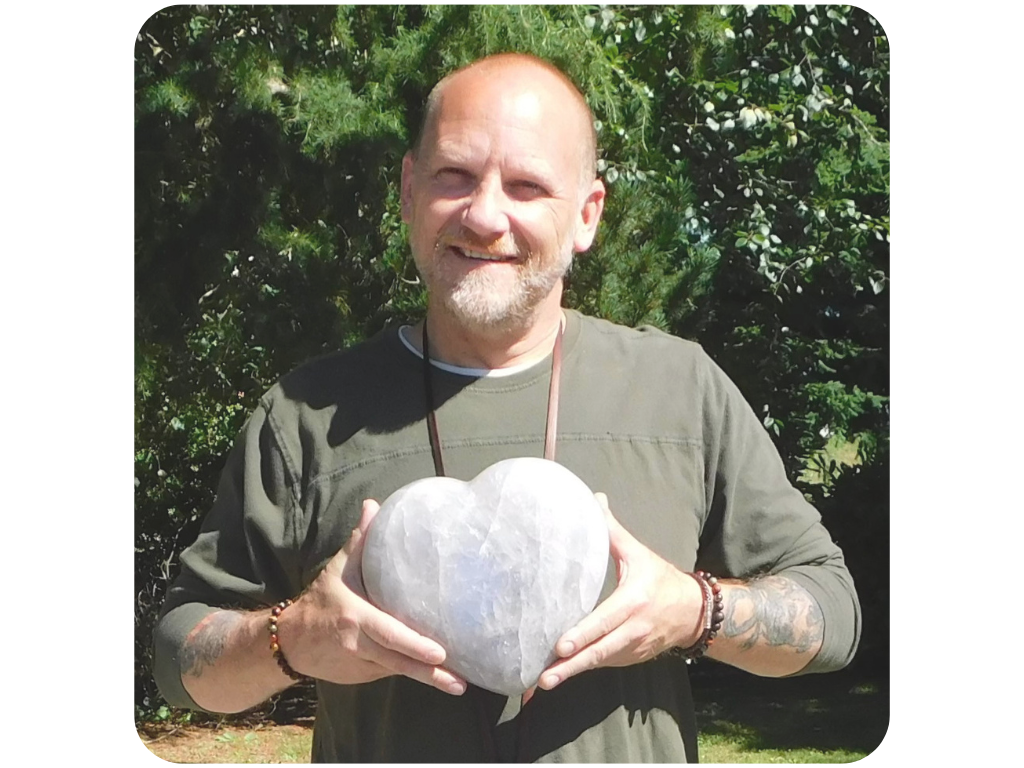
“Hypnosis is a state of focused relaxation that allows us to tune into our inner wisdom and make changes that empower us to live more authentically.” – Derek Condit CHt
- Certified Hypnotherapist
- Certified 7th Path Self-hypnosis Teacher
- Member of 5-PATH® International Association of Hypnosis Professionals
- Member of National Guild of Hypnotists
Click-Here: To view Derek’s About Page
View our full playlist of Free Self-Hypnosis recordings: click-here
Use the contact form below to submit any questions/comments.
Your message has been sent

 Hypnosis-Empowerment